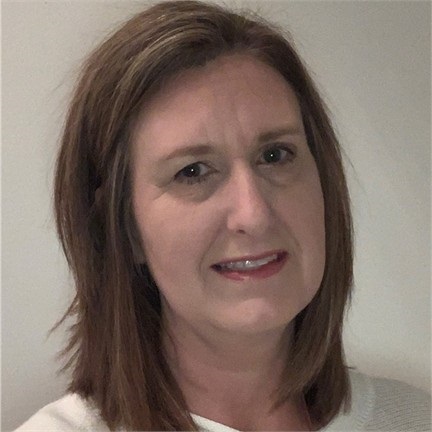
By DR. BOB VERO
There is a passage in The Bell Jar in which the book’s narrator says, “If only something were wrong with my body it would be fine. I would rather have anything wrong with my body than something wrong with my head.”
Although Sylvia Plath wrote these lines five decades ago, their sentiment reflects the way many people still feel about mental illness today. Despite all of the advances that have been made in preventing, diagnosing and treating mental health disorders, many still see these conditions as hopeless – the worst possible diagnosis, much more hopeless than even very serious physical illnesses.
We see this attitude play out each day in our society. We rally around neighbors who battle cancer. We participate in walks to support friends who live with diabetes. We help family members with heart disease as they make lifestyle changes to improve their health. We note when our loved ones look pale, are having trouble getting around or have gained or lost weight. We encourage them to see their doctors. We follow their progress, support them through setbacks and celebrate their successes.
But how do we react to mental health issues? Do we greet a diagnosis of depression, bipolar disorder, schizophrenia or anxiety with support and understanding? Do we mention it when we think a friend may be struggling to cope with a life change or acting seriously out of character?
Unfortunately, the answer to these questions is typically no. We are reluctant to mention mental health concerns to those around us because we are afraid of what their reactions might be. This is a persistent paradigm that we all must work to change.
In the last 50 years, we have learned so much about mental illness. We know that one-quarter of all Americans – approximately 1.6 million Tennesseans – will have a diagnosable mental disorder this year. We know that mental illness is more common than cancer, diabetes and heart disease and can be found equally among people of any age, income level and ethnicity. We know that mental healthcare is simply vital healthcare.
We also know that, unfortunately, less than 40 percent of people with a mental illness will seek some kind of support for their disorder. And we know that this is an unnecessary travesty because, with the innovative medical treatments and support programs available today, 70 to 90 percent of people with mental health disorders have conditions that can be effectively treated or managed, allowing them to lead full and productive lives. In fact, treatment for many mental health disorders is more effective than treatment for many common physical health disorders.
May is Mental Health Month, an annual observation that raises awareness of mental health conditions and the importance of mental wellness. It is an ideal time for us to confront long-standing misperceptions that exist about mental health disorders, change our national dialogue, and come together to protect the health and well being of the people in our community who will face a mental illness this year.
Together, we can eliminate the shame and fear that mental health diagnoses can bring and ensure that everyone gets the care they need for their bodies – and their minds.
Dr. Bob Vero is CEO of Centerstone, a not-for-profit provider of community-based mental health and addiction services. For more information on Centerstone, call 888-291-4357 or visit www.centerstone.org.